Summer Retro Vector: An Embroidery Design Review
When evaluating a new machine embroidery design for my shop, I look past the digital preview and immediately imagine how it will behave under the needle. The Summer- Summer Retro Vector caught my eye not just as a piece of clip art, but as a potential staple for seasonal custom apparel. As a designer who frequently bridges the gap between screen printing graphics and stitched goods, I approached this file with a critical eye toward its translation from vector to thread. My first impression was that this design possesses the bold, clean geometry necessary for successful digitizing, avoiding the muddy details that often plague complex retro artwork when converted into an embroidery file.
Translating Retro Aesthetics to Thread
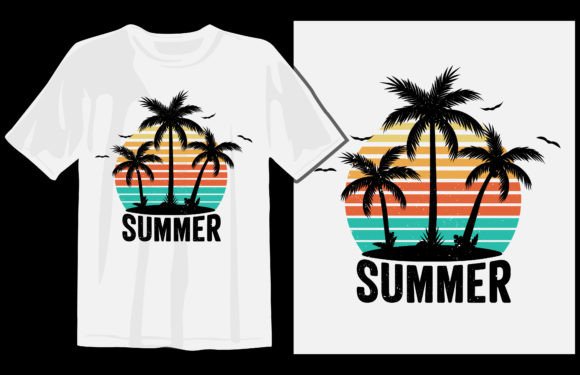
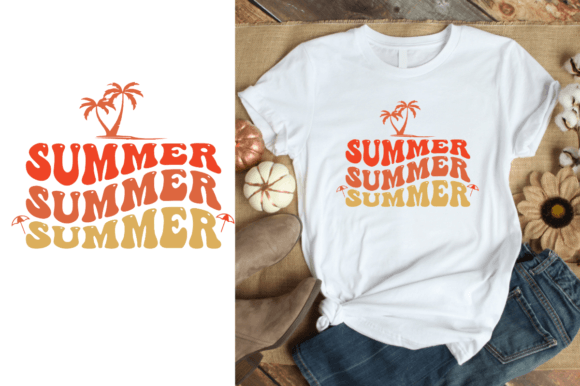
The "Retro" label can be tricky in embroidery. Vintage styles often rely on distressed textures or gradients that do not stitch out well. However, Summer- Summer Retro Vector appears to utilize solid shapes and distinct color blocking, which is ideal for satin stitch borders and fill stitch interiors. In my assessment, this graphic style lends itself beautifully to a layered approach. For a recent client project involving a boutique summer capsule collection, I needed a design that felt nostalgic yet crisp. This vector provided that balance. The layout suggests it would work exceptionally well as a center chest placement on a sweatshirt or as a large back print on a denim jacket.
Because the product description highlights versatility across items like T-Shirts, Onesies, Hoodies, and Tank Tops, I evaluated the scalability. A true retro vector should maintain its integrity whether it is three inches wide on a baby onesie or ten inches wide on a tote bag. The lines in Summer- Summer Retro Vector seem sufficiently defined to prevent the "blob effect" at smaller sizes, provided you adjust your stitch density accordingly. For those creating Etsy seller listings, this adaptability means one design asset can populate multiple product mockups, increasing your shop's perceived value without requiring additional design time.
Real-World Application: The Canvas Tote Test
To truly judge this design, I mentally walked through stitching it onto a heavy canvas tote bag design. Canvas is unforgiving; it requires precise registration. The Summer- Summer Retro Vector’s structure allows for clear registration marks. If I were producing this for a craft fair, I would likely use a cutaway stabilizer to prevent the fabric from puckering around dense fill areas. The retro color palette typically associated with this style—mustards, teals, and burnt oranges—offers high contrast against natural canvas, ensuring the finished product photographs well for social media.
For commercial embroidery businesses, speed is money. This design’s vector nature implies it can be digitized with optimized jump stitches. Unlike intricate floral patterns that require constant trims, a retro geometric or typographic vector usually flows logically from left to right or top to bottom. This efficiency makes Summer- Summer Retro Vector a strong candidate for bulk orders, such as team uniforms or corporate summer event gear, where turnaround time matters as much as aesthetic appeal.
Navigating Fabric Limitations and Hoop Sizes
While the design is versatile, experienced makers know that context dictates success. When applying Summer- Summer Retro Vector to stretchy fabrics like ribbed tank tops or lightweight jersey tees, caution is required. Retro designs can sometimes be stitch-heavy. If you are working with thin fabric, you must test your hoop size and stabilizer combination first. I recommend a fusible mesh cutaway for knits to anchor those satin columns. Without proper support, the weight of the thread could distort the garment's drape, turning a cute retro tee into a stiff, uncomfortable wear.
Dark fabrics present another consideration. Retro vectors often rely on negative space. If you are stitching Summer- Summer Retro Vector on a navy hoodie or black t-shirt, ensure your digitizing includes adequate underlay. Dark threads on dark fabric can disappear, while light threads on dark fabric may show shadowing if the density is too low. Always run a sew-out on scrap fabric that matches your final project’s weight and texture. This step is non-negotiable for maintaining professional standards in your handmade product line.
- Curved Surfaces: Be mindful when placing this design on caps. Retro vectors are often rectangular or circular; distorting them to fit a curved cap brim can alter the vintage proportion. Consider resizing or re-digitizing specifically for headwear.
- Small Details: If the vector includes tiny text or thin accent lines, verify they are above 1mm in width after scaling. Anything thinner risks breaking needles or becoming illegible.
- Washability: For baby embroidery or kitchen towels, ensure the stitch type can withstand frequent laundering. Satin stitches wider than 7mm may snag; consider splitting them or using a textured fill instead.
Enhancing Product Value and Customer Trust
In the competitive world of digital product sellers and apparel decorators, presentation is everything. Using Summer- Summer Retro Vector effectively can elevate your brand consistency. Because it is categorized under T-Shirt Designs and Graphics, it naturally fits current market trends favoring 70s and 80s nostalgia. However, customers trust sellers who demonstrate quality. When listing this as a personalized gift option, show photos of actual stitched samples rather than just digital renders. Highlight how the thread sheen interacts with the retro matte aesthetic. This transparency reduces returns and builds buyer engagement.
For those selling the digital embroidery file itself, provide clear notes on recommended fabrics and stabilizers within your listing. Buyers appreciate knowing that Summer- Summer Retro Vector has been tested or evaluated for real-world use. Mentioning specific applications—like "perfect for nursery decor pillows" or "ideal for vintage-style patches"—helps the customer visualize the end result. This practical guidance transforms a generic graphic into a valuable tool for their own craft business.
Essential Designer Notes Before You Stitch
Before committing Summer- Summer Retro Vector to a final project, adhere to these professional best practices. First, confirm your licensing. Just because a vector is available does not always mean it is cleared for commercial resale of finished goods or digital redistribution. Protect your business by verifying terms upfront. Second, create both light and dark background mockups. A retro design that pops on white might vanish on cream. Testing visual contrast ensures your printable mockup accurately represents the physical item.
Finally, evaluate the design’s complexity against your machine’s capabilities. While Summer- Summer Retro Vector is described as suitable for mugs, wall art, and drinkware, remember that sublimation and embroidery have different rules. If you are combining techniques—perhaps embroidering the main retro element and sublimating a background texture—ensure the alignment is precise. For pure embroidery projects, always check the final stitch count after any resizing. Significant enlargement increases density exponentially; significant reduction creates gaps. Use your software’s recalculation tools wisely.
Ultimately, Summer- Summer Retro Vector offers a promising foundation for seasonal collections. Its strength lies in its bold simplicity, making it accessible for hobbyists yet robust enough for small shop products. By respecting fabric limitations, testing thoroughly, and presenting the design with honest, practical insight, you can turn this graphic into a bestseller. Whether you are stitching a custom apron for a summer BBQ or launching a new line of retro baby clothes, let the quality of your execution define the value of the design. Happy stitching!