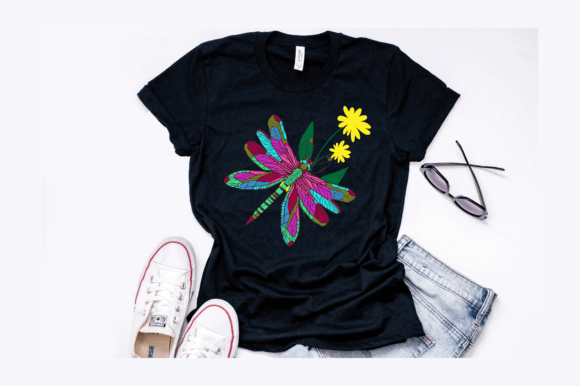
Enjoy the Summer Typographic Tshirt Design Review
As an embroidery digitizer and product reviewer, I approach every new graphic with a specific question: will this actually stitch out cleanly on fabric? When evaluating the Enjoy the Summer Typographic Tshirt Desi, my focus shifts immediately from screen resolution to stitch pathing. While this asset is marketed primarily for print-on-demand businesses on platforms like Amazon, TeePublic, and Shopify, its typographic structure holds significant potential for machine embroidery projects. Typography is deceptively simple; unlike complex floral applique designs or dense landscape fills, text relies entirely on precision, spacing, and legibility. If the kerning is off or the satin stitch columns are too narrow, the design fails. However, if executed correctly, this summer-themed typography can elevate a handmade product from generic craft fair fare to boutique-quality merchandise.
First Impressions and Seasonal Versatility
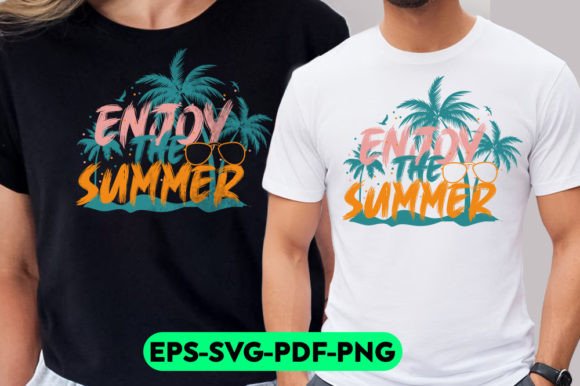
The visual personality of Enjoy the Summer Typographic Tshirt Desi strikes a balance between playful nostalgia and modern cleanliness. For an embroidery designer, this is a relief. Overly distressed or grunge-style graphics often translate poorly to needle and thread because the machine cannot replicate pixelated erosion without creating excessive jump stitches or messy running stitches. This design appears to have solid, defined letterforms that suggest a clean digitizing process. The mood is inherently upbeat, making it an ideal candidate for seasonal inventory rotation.
In terms of layout, the composition feels centered and balanced, which is crucial for hoop placement. When I look at this graphic, I don't just see a t-shirt print; I see a potential left-chest logo for a camp counselor uniform, a centered back yoke design for a denim jacket, or a bold statement across the front of a canvas tote bag design. The versatility lies in its simplicity. It does not compete with the texture of the fabric but rather complements it, allowing the sheen of rayon or polyester thread colors to add a dimension that ink simply cannot achieve.
Real-World Application: Stitching a Canvas Tote
To truly judge the viability of this design, I mentally walked through a recent client project involving custom beach totes for a small shop product line. The goal was to create a personalized gift that felt premium yet durable enough for sand and saltwater. Using Enjoy the Summer Typographic Tshirt Desi as the base, the transition from digital graphic to embroidered patch required careful consideration of scale.
On a heavy canvas tote bag, the design needs weight. A standard fill stitch might get lost in the coarse weave of the fabric. In this scenario, I would recommend converting key elements of the typography into a satin stitch border with a light fill center, or perhaps using a textured tatami fill to mimic the casual summer vibe. The result transforms a flat graphic into a tactile experience. Customers at craft fairs often touch embroidered items before buying them; the raised texture of well-digitized typography signals quality. For this specific project, the design served as the anchor for the entire collection, proving that a graphic originally intended for POD t-shirts could successfully pivot to commercial embroidery applications when adapted thoughtfully.
Fabric Compatibility and Technical Constraints
While the design is versatile, it is not immune to the physics of embroidery. As with any machine embroidery design, fabric texture dictates success. You must be cautious when applying this typography to high-pile fabrics like terry cloth towels or plush blankets. Without a proper water-soluble topping and adequate stabilizer, the letters will sink into the pile, rendering the message illegible. Similarly, stretchy knits used for baby embroidery or lightweight summer tees require a cut-away stabilizer to prevent the fabric from puckering around the dense stitch areas of the letters.
Size is another critical factor. Typography has a minimum threshold. If you attempt to shrink Enjoy the Summer Typographic Tshirt Desi down to fit a 4x4 hoop size for a baby onesie or cap, you risk losing interior counters (the holes in letters like 'a', 'e', and 'o'). Always check the smallest recommended size for the embroidery file before purchasing. If the details are too fine for your intended hoop size, the design may need to be simplified or re-digitized specifically for small-scale work. Conversely, enlarging the design for sweatshirt embroidery usually works well, provided the stitch density is adjusted to prevent the garment from becoming stiff and bulletproof.
Navigating Dark Fabrics and Contrast
Summer aesthetics often lean toward bright whites and pastels, but real-world customers frequently request dark navy or charcoal garments. When stitching this design on dark fabric, thread color contrast becomes paramount. A white satin stitch on navy looks crisp, but a pale yellow might disappear. Furthermore, dark fabrics sometimes show white bobbin thread at the edges if tension isn't perfect. I always advise testing on scrap fabric first. Create a black and white mockup of your thread choices to ensure readability before committing to the final embroidered patch or apparel piece.
Commercial Value for Etsy Sellers and Makers
For creative entrepreneurs running an Etsy shop or selling at local markets, time is money. Enjoy the Summer Typographic Tshirt Desi offers a distinct advantage: speed. Typographic designs generally stitch out faster than dense illustrative artwork, allowing for higher production volume during peak season. This efficiency directly impacts profit margins on custom apparel and holiday embroidery gifts.
Beyond production speed, the design aids in brand consistency. Having a reliable, high-quality typographic asset allows you to create cohesive collections across different products. Imagine offering a matching set: a sweatshirt with the full design, a cap with a simplified version, and a tea towel featuring the text as a decorative accent. This cross-product synergy increases average order value. Additionally, because this graphic originates from a POD-focused source, it likely possesses the clean lines necessary for professional printable mockups. Being able to showcase accurate digital previews alongside photos of the finished product builds customer trust and reduces return rates due to unmet expectations.
Essential Pre-Stitch Checklist for Designers
Before loading this design into your machine or listing it as a digital embroidery file for sale, run through this practical checklist to ensure professional results:
- Verify Licensing: Confirm whether the license permits physical embroidery sales versus only digital printing. POD licenses do not automatically grant rights to sell stitched goods or digitized files.
- Audit Stitch Density: Open the file in your embroidery software. Ensure the satin stitch width is appropriate for your thread weight and that fill stitches have adequate underlay for the target fabric.
- Test on Target Material: Never skip the test stitch. What looks good on screen may pull or gap on actual fabric texture.
- Check Small Details: Inspect serifs and tight corners. These are common failure points where thread breaks or bird-nesting occurs.
- Evaluate Washability: If creating kitchen towels or baby items, ensure the stitch type can withstand frequent laundering without fraying.
- Mockup Accuracy: Use realistic textures in your digital previews so customers understand the difference between a printed graphic and an embroidered finish.
Ultimately, Enjoy the Summer Typographic Tshirt Desi represents a strong foundation for seasonal embroidery projects. It bridges the gap between digital design assets and tangible handmade products. By respecting the technical requirements of machine embroidery and adapting the graphic to suit specific fabrics and use cases, makers can transform this typography into best-selling summer merchandise. Whether you are decorating caps for a family reunion or stocking your online boutique with fresh seasonal gear, this design offers the flexibility and aesthetic appeal needed to succeed in a competitive market. Just remember: in embroidery, the magic happens not in the download, but in the thoughtful adaptation of the design to the reality of needle, thread, and fabric.