Best Surfing in California Summer: Design Review
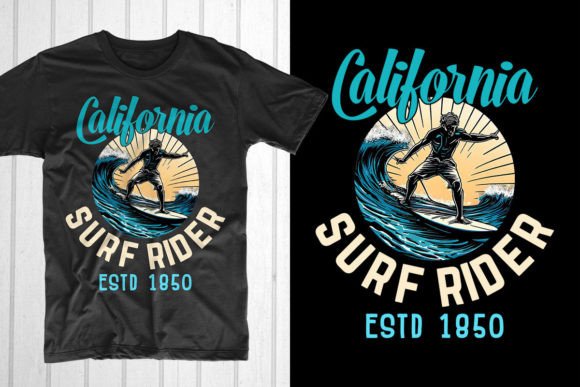
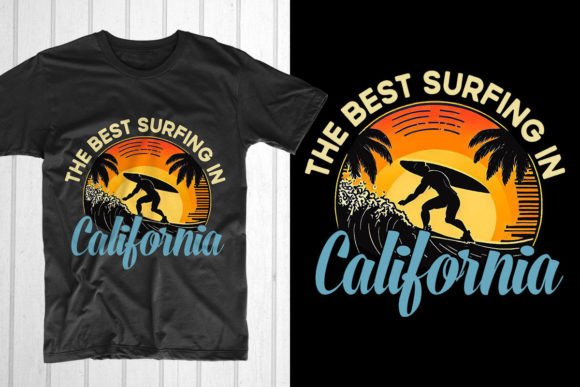
As an embroidery designer and product reviewer, I approach every new graphic with a specific question: will this actually stitch out well on physical fabric? When evaluating The Best Surfing in California Summer, my first impression is that it captures a distinct, nostalgic West Coast vibe. The layout suggests movement and energy, which is exactly what you want for seasonal merchandise. However, translating screen-based T-Shirt Designs into thread requires a critical eye. This design feels like a strong contender for summer collections, but its success depends entirely on how you adapt the Graphics for needle and thread rather than ink and pixel.
Translating Screen Graphics to Stitched Reality
The visual personality of The Best Surfing in California Summer leans heavily into retro typography and fluid wave motifs. For an Etsy seller or small shop product creator, this aesthetic is currently high-value. Customers associate this look with authentic, handmade quality rather than mass-produced fast fashion. From a technical standpoint, the flow of the artwork dictates your digitizing strategy. If the original file relies on fine lines or gradients, you must decide whether to convert those elements into running stitch outlines or simplify them into fill stitch areas.
I particularly appreciate designs that offer clear separation between foreground and background elements. In this surfing theme, ensuring the text remains legible against the wave graphics is paramount. A common pitfall with complex machine embroidery design files is losing contrast when stitched on colored garments. Before committing to a full production run, I always recommend testing the design in black and white mockups to verify that the value structure holds up without relying solely on color differences.
Real-World Application: The Canvas Tote Test
To truly judge the viability of The Best Surfing in California Summer, I mentally placed it onto a natural canvas tote bag design. Totes are a staple for craft business owners and make excellent personalized gift items for beachgoers. Canvas provides a stable, textured foundation that generally handles medium-density embroidery well. However, the "surfing" theme implies outdoor use, meaning the finished product needs to withstand wear.
In this scenario, I would treat the central wave element as a potential applique design opportunity. Using a piece of printed cotton or denim for the wave shape reduces overall stitch density, keeping the tote lightweight and flexible while adding a premium, mixed-media texture that pure thread cannot achieve. The lettering should be bold enough to remain readable from a distance. If the font in the original graphic is too thin, it risks disappearing into the canvas weave. For a commercial embroidery project like this, modifying the typeface to a slightly heavier weight ensures the design reads clearly as a boutique item rather than a DIY experiment.
Navigating Fabric Challenges and Hoop Limitations
While canvas is forgiving, applying The Best Surfing in California Summer to apparel introduces variables that demand respect. If you are planning sweatshirt embroidery or working with stretchy knits, the design’s stability becomes the primary concern. Knit fabrics shift under the needle, and detailed coastal graphics can distort if not properly supported. You must use an appropriate stabilizer—likely a cut-away for permanent support on stretchy garments—to prevent puckering around the satin stitch borders.
Be cautious when scaling this design down for smaller applications like baby embroidery or left-chest logos. Intricate wave details and vintage surf fonts often lose clarity below certain sizes. Tiny lettering may turn into illegible bumps of thread. Always check the minimum recommended hoop size before purchasing or digitizing. If the design includes shading or gradient effects intended for print, these must be reimagined as thread blending or removed entirely for small formats. A simplified version specifically optimized for caps or baby onesies is often superior to forcing a large, complex digital embroidery file into a tiny space.
Enhancing Perceived Value Through Technical Precision
The difference between a hobbyist project and a professional handmade product often lies in the finishing. When executing The Best Surfing in California Summer, pay close attention to thread tension and color transitions. High-quality thread colors that match the Pantone references of the original art build immediate customer trust. If the blues and teals look muddy or mismatched, the perceived value of the custom apparel drops significantly.
Consider the end-user experience. Will this item be washed frequently? If so, avoid excessive jump stitches on the back that could snag. Clean trimming and proper topping usage ensure the embroidery sits smoothly on top of the fabric texture rather than sinking in. For holiday embroidery or summer market prep, consistency is key. Running test stitches on scrap fabric allows you to dial in the density so that every unit in your batch looks identical. This reliability is what turns one-time buyers into repeat customers for your Etsy listings.
Essential Pre-Stitch Checklist for Makers
Before you load the embroidery file and start production, run through this practical verification list to protect your time and materials:
- Verify Licensing: Confirm whether the design assets allow for commercial sale of finished goods versus digital redistribution.
- Check File Compatibility: Ensure the format works with your specific machine brand before hooping expensive fabric.
- Assess Density: Open the file in editing software to identify overly dense areas that might cause needle breaks or fabric distortion.
- Test Contrast: Stitch a sample on both light and dark backgrounds to ensure visibility and legibility.
- Evaluate Scale: Measure the actual output size against your intended garment placement; screen size often deceives.
- Review Stabilizer Pairing: Match your backing and topping choices to the specific fabric weight and stretch factor.
- Inspect Small Details: Zoom in to check if text elements are tall enough to stitch cleanly without merging.
Final Thoughts for Creative Entrepreneurs
The Best Surfing in California Summer offers a fantastic foundation for seasonal inventory, provided you approach it with technical intention. Whether you are creating an embroidered patch for hats or a full-back print alternative for tees, the design’s success hinges on adaptation. Don't just accept the digital preview as the final truth. Engage with the design critically, test it rigorously, and tailor it to your specific medium. By bridging the gap between trendy Graphics and durable craftsmanship, you elevate your brand above the noise. Remember, in the world of printable mockup marketing versus tangible reality, the tactile quality of your stitching is your strongest selling point. Take the time to get it right, and your customers will feel that dedication in every thread.